Benefits of electric cars
Electric cars are becoming an increasingly popular choice for UK drivers. Whether you’re comparing EVs with petrol, diesel or hybrid vehicles, understanding the costs, savings, charging options and environmental benefits can help you decide if an electric car is right for you.
EV vs Hybrid vs Petrol: What’s the difference?
Before diving into the benefits, it’s important to understand how electric cars compare to other vehicle types:
Are electric cars worth it?
For many drivers, electric cars are now a practical and cost-effective alternative to petrol and hybrid vehicles. Advances in battery technology, public charging infrastructure and government incentives have made EV ownership easier than ever.
For many drivers, electric cars offer clear advantages:
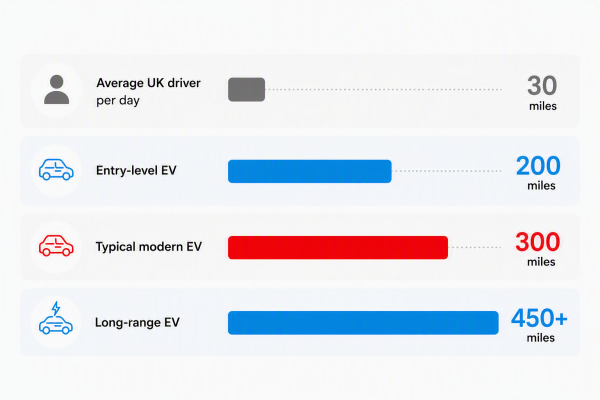
1. Improved battery range
2. Easy home and public charging
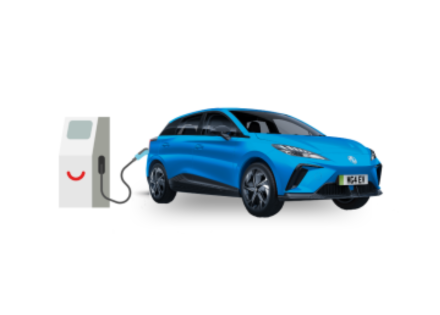
Most electric car drivers charge at home overnight, while the UK’s growing public charging network provides convenient options for longer journeys. Rapid chargers can add significant range in a short amount of time., making driving an EV easier than ever
3. Cost efficient
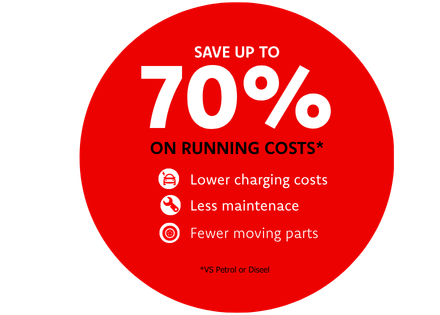
- Lower running costs: Electric cars typically have lower day-to-day operating expenses, with efficient charging and reduced maintenance requirements compared to petrol or diesel vehicles.
- Tax savings & salary sacrifice: When you choose an electric vehicle through a salary sacrifice scheme, you could benefit from Income Tax and National Insurance savings, along with low Benefit-in-Kind (BiK) rates, making it a more affordable way to drive a new car.
- Lower total cost of ownership: Depending on your mileage and charging habits, electric vehicles can be more cost-effective over time.
4. Reduced environmental impact
- Zero tailpipe emissions: Electric cars produce no exhaust emissions while driving, helping reduce pollution in everyday journeys.
- Lower lifetime carbon emissions: Electric vehicles typically generate fewer carbon emissions over their lifetime than petrol and diesel cars.
- Improved air quality: By reducing harmful pollutants, electric cars can help improve air quality, particularly in towns and cities.
5. A better driving experience
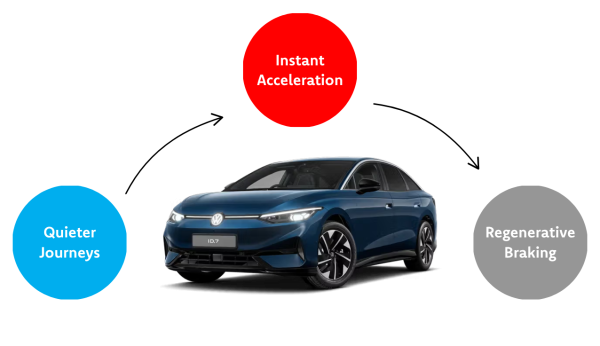
- Smooth performance: Instant torque provides responsive acceleration.
- Quiet driving experience: Reduced engine noise creates a more relaxed journey.
- Regenerative braking: Helps recover energy while slowing down and can reduce brake wear.
Guides
Everything you need to know about going electric. Explore expert guidance on EV charging, home charge point installation, carbon offsetting, and making a smooth switch from petrol or diesel.


Find the right EV for you
Understand the key factors that influence EV ownership, including battery range and vehicle capabilities.